Life moves fast, and so do messes. From scattered crumbs after breakfast to pesky pet hair on the sofa, keeping our homes pristine often feels like a constant battle. This is where the Dustbuster Handheld Vacuum steps in, a compact powerhouse designed to make quick cleanups not just possible, but genuinely effortless. Far more than just a convenient gadget, the Dustbuster has a rich history, evolved with innovative technology, and become an indispensable tool for maintaining a consistently tidy living space. If you’re looking to understand its origins, discover its modern capabilities, or simply master its use, you’ve come to the right place.
The Iconic Origin Story: How the Dustbuster Redefined Cleaning
It might surprise you to learn that the humble dustbuster has roots in outer space. The story begins in the early 1960s, amidst the thrilling “Space Race,” when NASA tasked Black & Decker with developing a cordless drill for extracting core samples from the Moon. This ambitious project led to the creation of the “Moon Drill,” a testament to cordless power technology.
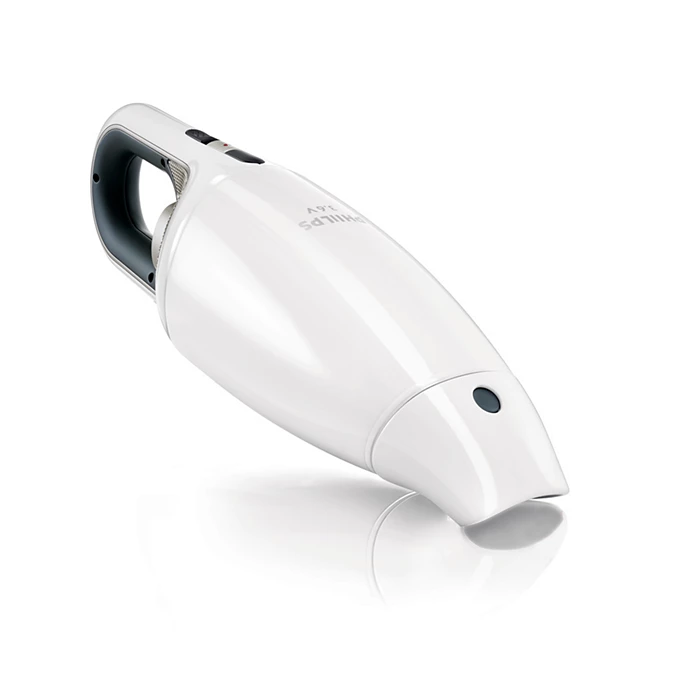
Fast forward to 1974, Black & Decker leveraged this innovation in a consumer product called the Mod 4 Power Handle Cordless System. This multi-tool featured various attachments, including a small “Spot-Vac” vacuum cleaner. While the Mod 4 didn’t quite hit the mark commercially, consumer research revealed a fascinating insight: women were frequently borrowing the Spot-Vac from their husbands’ workshops to tackle minor kitchen spills. Recognizing this untapped potential, Black & Decker’s design chief, Carroll Gantz, and his team refined the Spot-Vac into a dedicated household cleaning appliance.
And so, in January 1979, the Black & Decker Dustbuster was born. It was an instant sensation, selling over a million units in its first year and effectively creating an entirely new category in the vacuum cleaner market. Its immediate success was so profound that “Dustbuster” quickly became a genericized trademark, synonymous with any small, cordless handheld vacuum. The original 1979 model even earned a place in the Smithsonian’s National Museum of American History, a true icon of household innovation. Over the decades, the Dustbuster has seen numerous redesigns, continually adapting to modern needs and technological advancements.
Beyond the Basics: Exploring Dustbuster Handheld Vacuum Models and Features
Modern dustbuster handheld vacuum models are a far cry from their early predecessors, boasting a range of features designed for optimal performance and user convenience.
Cordless Freedom and Portability
At its core, every dustbuster offers unparalleled cordless convenience. This portability is what makes it a go-to for quick cleanups, allowing you to move freely around your home, car, or even workshop without being tethered to an outlet. Their lightweight and compact design ensures effortless maneuverability, even in the tightest spaces.
Suction Power and Battery Technology
Today’s Dustbusters come with impressive suction capabilities, often powered by advanced Lithium-Ion batteries. These batteries provide fade-free power and contribute to significant improvements in cleaning efficiency compared to older models. Many boast “Smart Charge Technology,” which automatically shuts off charging once the battery is full, preserving battery life over time. While runtimes typically range from 10 to 20 minutes, which is ample for spot cleaning, charging times have become more efficient with newer technologies.
“The leap from NiCad to Lithium-Ion batteries has revolutionized handheld vacuum performance, offering more consistent power and longer life between charges,” notes Mr. Alex Chen, Lead Product Engineer at HomeClean Pro Labs.
Advanced Filtration Systems
Most Dustbuster handheld vacuums feature bagless, translucent dirt bowls that make it easy to see when they need emptying. The filters are typically washable and reusable, a cost-effective and environmentally friendly design choice. For those with allergies or asthma, looking for models that incorporate HEPA filtration systems can significantly improve indoor air quality by trapping even the smallest particles and allergens.
Versatile Attachments for Every Nook and Cranny
A key strength of the modern dustbuster handheld vacuum lies in its versatile attachments. Common accessories include:
- Crevice Tool: Often built-in or pull-out, perfect for reaching into narrow gaps like between couch cushions, car seats, or along baseboards.
- Flip-Up Brush/Upholstery Tool: Ideal for agitating and lifting dust and pet hair from fabric surfaces without scratching.
- Rotating Nozzles: Allows for angled cleaning, making it easier to navigate awkward corners.
- Specialized Pet Hair Tools: Some models, like the “Furbuster,” are specifically designed with rubberized attachments to more effectively tackle stubborn pet hair.
Mastering Your Dustbuster: A Step-by-Step Guide to Usage and Maintenance
Getting the most out of your dustbuster handheld vacuum means understanding how to use it effectively and maintain it properly.
Getting Started
Before its first use, always fully charge your new dustbuster. Most models come with a charging base where you simply place the unit. An indicator light will usually signal when it’s charging and when it’s complete. To operate, just slide the On/Off switch, typically located on the handle.
Daily Use for Quick Pickups
The dustbuster shines in addressing small, immediate messes. Grab it for:
- Crumbs: Around the dining table, under high chairs, or from your keyboard.
- Dry Spills: Coffee grounds, spilled sugar, or potting soil.
- Pet Hair: Quick touch-ups on furniture, pet beds, or car seats.
Utilize the built-in crevice tool for tight spaces and the brush attachment for upholstery or delicate surfaces. For larger debris, aim the nozzle directly over the mess.
Emptying the Dustbin
Regular emptying is crucial to maintain optimal suction power.
- Locate the Release Button: This is usually near the dirt bowl.
- Remove the Bowl: Press the button and pull the translucent dirt bowl away from the main unit.
- Empty Contents: Hold the bowl over a trash can and tip out the collected debris.
It’s a good habit to empty the dustbin after every significant use to prevent buildup and ensure consistent performance.
Cleaning the Filter
The filter is the heart of your vacuum’s suction. Clean it regularly.
- Remove the Filter: After emptying the dirt bowl, gently twist or pull the filter out.
- Tap Out Debris: Tap the filter firmly against the inside of a trash can to dislodge fine dust and particles.
- Rinse (If Washable): If your filter is washable, rinse it under cool running water until the water runs clear.
- Air Dry Completely: This step is vital. Never reinsert a wet filter. Allow it to air dry for at least 24 hours or until completely dry before placing it back into the dust bowl.
- Replacement: Filters should typically be replaced every 6 to 9 months, depending on usage frequency, to ensure peak performance. Check your model’s manual for specific recommendations and filter part numbers.
Charging Best Practices
Always return your dustbuster to its charging base after each use. This ensures it’s always ready for the next impromptu mess. Thanks to Smart Charge Technology, leaving it on the charger won’t harm the battery.
Safety First
- Do not vacuum wet surfaces or liquids unless your specific model is designed for wet/dry use.
- Avoid picking up burning or smoking materials (e.g., cigarette butts, hot ashes).
- Keep hair, loose clothing, and body parts away from the suction opening and moving parts.
- Only use the charger supplied by the manufacturer for your specific model.
- Use extra caution when cleaning stairs to prevent falls.
Unleashing Creativity: Smart Tips and Surprising Applications for Your Dustbuster
A dustbuster handheld vacuum is incredibly versatile, extending its usefulness far beyond just kitchen crumbs. Here are some ingenious ways to integrate it into your cleaning routine:
- Car Detailing Companion: This is arguably where the dustbuster truly shines. Easily reach under seats, clean floor mats, vacuum tight crevices, and even suck dust from air vents and cup holders. Many models come with specialized car attachments, making vehicle cleanups a breeze.
- Keyboard and Electronics Dusting: Those tiny gaps in your keyboard are magnets for crumbs and dust. A dustbuster with a crevice tool or brush attachment can quickly and safely remove debris without damaging sensitive electronics. It’s also great for dusting printers, stereo speakers, and other gadgets.
- Pet Hair Purge: For pet owners, the battle against shedding is endless. A dustbuster is perfect for rapid removal of pet hair from upholstery, pet beds, curtains, and even clothing. Some models, like the Black+Decker Furbuster, are optimized specifically for this task with enhanced suction and specialized tools.
- Craft and DIY Cleanup: Glitter, paper scraps, sawdust, small beads – craft and DIY projects often leave behind miniature messes. A dustbuster makes post-project cleanup incredibly efficient, ensuring no stray glitter or wood shavings linger.
- Kitchen Quick-Fixes: Beyond crumbs, use it for spilled flour, sugar, coffee grounds, or small dry food particles that miss the counter. Its compact size means it’s always within reach for those unavoidable kitchen mishaps.
- Stairway and Corner Specialist: Maneuvering a full-sized vacuum on stairs or into awkward corners is a chore. A lightweight dustbuster simplifies this, allowing you to quickly and safely clean these challenging areas.
The Unrivaled Edge: Benefits of Integrating a Dustbuster into Your Cleaning Routine
Adding a dustbuster handheld vacuum to your home arsenal offers a host of tangible benefits that elevate your entire cleaning experience:
- Instant Gratification & Time-Saving: The most immediate benefit is the ability to tackle messes as they happen. No need to drag out a bulky upright vacuum for a small spill; the dustbuster is grab-and-go, saving you valuable time and effort.
- Unmatched Portability & Accessibility: Its cordless, lightweight design means it can go anywhere. From upstairs bedrooms to the garage, the dustbuster reaches spots that traditional vacuums struggle with, ensuring a cleaner environment throughout your entire home and vehicle.
- Targeted Cleaning Precision: With its array of attachments and compact size, a dustbuster excels at targeted cleaning. It can zero in on specific problem areas, like crumbs in a drawer, dust on a bookshelf, or pet hair on a specific cushion, delivering thorough results where you need them most.
- Maintaining a Consistently Tidy Home: By empowering you to address small messes quickly, the dustbuster prevents them from accumulating and turning into larger, more daunting cleaning tasks. This promotes a habit of regular, light cleaning that keeps your home looking tidy day in and day out.
- Extending the Life of Larger Vacuums: By handling daily minor cleanups, your dustbuster reduces the wear and tear on your larger, more expensive upright or canister vacuum, potentially extending its lifespan and saving you money on maintenance or early replacement.
Choosing Your Perfect Partner: A Comprehensive Buying Guide for Dustbuster Handheld Vacuums
Selecting the right dustbuster handheld vacuum involves considering several factors to match your specific cleaning needs.
What to Consider:
- Suction Power: Look for models with higher voltage (e.g., 16V or 20V MAX) or wattage ratings, as these generally indicate stronger suction. Cyclonic action is another feature that helps maintain consistent suction by keeping debris away from the filter.
- Battery Life and Charging Time: Modern dustbusters use Lithium-Ion batteries, offering better performance. Consider the typical runtime (often 10-20 minutes) and how quickly it recharges. If you have larger areas or frequent messes, a longer battery life or quicker charge is beneficial. Some advanced models even feature removable, swappable batteries for continuous cleaning.
- Portability and Weight: Handheld vacuums are designed to be lightweight and easy to maneuver. Check the weight to ensure comfortable one-handed use, especially if you plan to clean for extended periods or reach high places.
- Filtration System: All dustbusters have filters, but some offer advanced multi-stage or HEPA filtration. If you or family members suffer from allergies, a model with a HEPA filter is a wise investment for trapping fine dust and allergens.
- Attachments and Accessories: Evaluate the included tools. A crevice tool is essential for tight spaces, and a brush attachment is great for upholstery. If you have pets, look for models with specialized pet hair tools. Built-in or on-board storage for attachments adds convenience.
- Dustbin Capacity: A larger dustbin means less frequent emptying, which can be a plus for slightly bigger jobs. However, larger bins might slightly increase the unit’s size.
- Noise Level: While handheld vacuums are generally louder than larger models, some brands offer noise reduction features. If noise is a significant concern, check reviews for quieter options.
- Durability and Build Quality: Read customer reviews to gauge the overall reliability and construction of the vacuum. A robust build ensures your dustbuster will withstand regular use.
Comparing Models:
While “Dustbuster” is a Black+Decker brand, many manufacturers produce excellent handheld vacuums. When comparing, focus on how different models balance suction, battery performance, included accessories, and overall design. For instance, some models prioritize powerful suction for stubborn dirt, while others focus on an ultra-compact design for maximum portability. Always consider your most common cleaning tasks to determine which features are paramount for you.
Frequently Asked Questions (FAQ)
What exactly is a Dustbuster?
A Dustbuster is a brand of cordless, handheld vacuum cleaner originally introduced by Black & Decker in 1979. Due to its early success and widespread popularity, the term “Dustbuster” has become a genericized trademark, often used to refer to any small, portable handheld vacuum cleaner, regardless of the brand.
How often should I clean my Dustbuster’s filter?
For optimal performance, it’s recommended to clean your Dustbuster’s filter after every few uses or whenever you notice a decrease in suction power. If your filter is washable, ensure it’s completely dry before reinserting it. Filters should typically be replaced every 6-9 months, depending on frequency of use.
Can Dustbusters pick up liquids?
Most standard Dustbuster handheld vacuums are designed for dry messes only and should not be used to pick up liquids. Doing so can damage the motor and electrical components, posing a safety risk. Always check your specific model’s manual for wet/dry capabilities if this is a feature you need.
How long does a Dustbuster battery last on a single charge?
Battery life varies significantly by model and usage, but most modern Dustbuster handheld vacuums offer a runtime of approximately 10 to 20 minutes on a full charge. This is generally sufficient for quick spot cleanups around the home or car. Charging times can range from a few hours to several, depending on the battery technology.
Are all handheld vacuums called Dustbusters?
No, not all handheld vacuums are called Dustbusters. While “Dustbuster” is a widely recognized name and often used colloquially, it is a specific brand name belonging to Black & Decker. Many other manufacturers produce handheld vacuums under their own brand names.
Conclusion
The dustbuster handheld vacuum has solidified its place as an essential tool in modern cleaning. From its fascinating origins in aerospace technology to its current iterations packed with powerful features and versatile attachments, it continues to deliver unmatched convenience for tackling everyday messes. By understanding its capabilities, utilizing it effectively, and maintaining it properly, you can unlock a new level of cleanliness and efficiency in your home. So, go ahead, grab your dustbuster, and experience the satisfaction of quick, effortless cleaning. It’s time to transform those minor nuisances into mere moments, giving you more time to enjoy your impeccably tidy space.