Life moves fast, and so do messes. Whether it’s a sudden coffee spill, muddy paw prints, or a scattering of crumbs after a hurried breakfast, our homes constantly challenge our ability to keep them tidy. In this dynamic environment, a versatile cleaning solution isn’t just a luxury; it’s a necessity. Enter the Handheld Wet Dry Vacuum – a compact powerhouse designed to tackle both liquid and solid messes with remarkable efficiency. This innovative device isn’t just another gadget; it’s a game-changer that promises to streamline your cleaning routine, offering immediate relief from life’s unexpected spills and everyday grime.
This article dives deep into the world of the handheld wet dry vacuum, exploring its origins, essential features, best usage practices, and how to choose the perfect model for your unique needs. By the end, you’ll have a comprehensive understanding to confidently integrate this indispensable tool into your home cleaning arsenal, ensuring HomeClean Pro continues to empower you with value and absolute reliability.
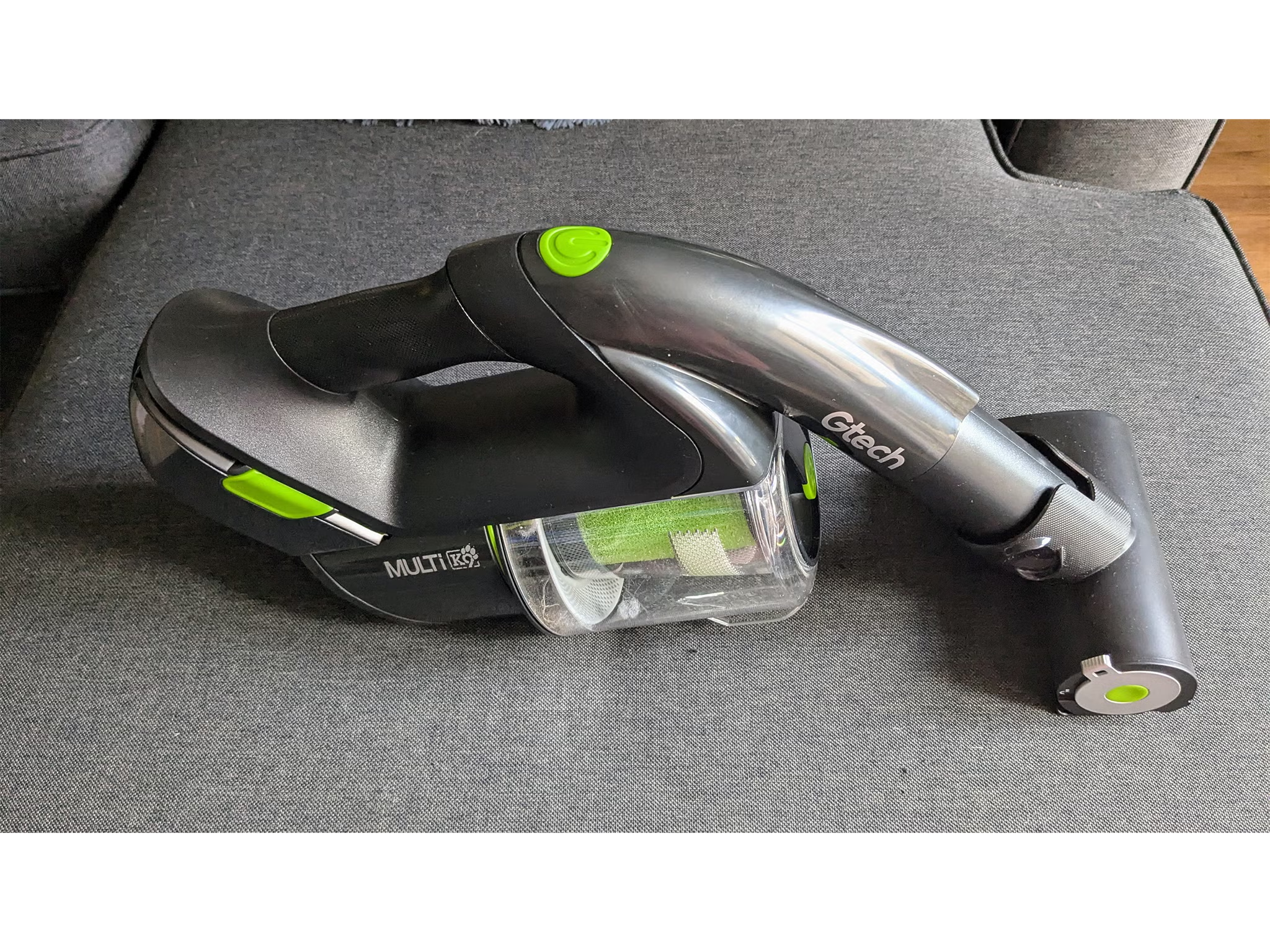
The Evolution of Spotless Cleaning: Understanding Handheld Wet Dry Vacuums
At its core, a handheld wet dry vacuum is engineered for dual functionality: it effortlessly sucks up both solid debris, like dust, crumbs, and pet hair, and liquid messes, such as spilled drinks or small leaks. Unlike traditional handheld vacuums that are strictly for dry pickup, these advanced devices are equipped with separate tanks – one for clean water (if applicable for some models) and another for dirty water and collected waste – allowing them to transition seamlessly between wet and dry tasks. This makes them incredibly practical for tackling a wider range of household accidents.
The concept of handheld vacuums emerged from a simple need: quick, convenient spot cleaning. Large, bulky vacuums were impractical for minor spills or isolated dirt. As technology progressed, the demand for even greater versatility led to the ingenious integration of wet-cleaning capabilities. This evolution transformed the humble dustbuster into a multi-tasking marvel, capable of not only vacuuming up dry particles but also mopping and extracting liquids, dramatically reducing cleaning time and effort for those pesky, immediate messes.
Exploring the Core: Key Types and Features
Choosing the right handheld wet dry vacuum requires understanding the various options and features available. The market offers a diverse range, each designed to cater to different preferences and cleaning scenarios.
Corded vs. Cordless: Power Meets Portability
The primary distinction often lies in the power source. Corded handheld wet dry vacuums offer continuous, often more powerful suction, as they draw directly from an electrical outlet. This makes them ideal for longer cleaning sessions or heavy-duty tasks where a consistent power supply is paramount. However, their mobility is limited by the cord length and the proximity to power outlets.
Cordless handheld wet dry vacuums, on the other hand, provide unmatched freedom and flexibility. Powered by rechargeable batteries, typically lithium-ion, they allow you to clean anywhere without being tethered to a wall socket. This portability is particularly beneficial for car interiors, stairs, or quick cleanups across different rooms. The trade-off often involves a shorter runtime and potentially less suction power compared to their corded counterparts, making battery life and charging time crucial considerations.
Suction Power: The Heart of the Clean
The effectiveness of any vacuum hinges on its suction power. For handheld wet dry vacuums, this is commonly measured in Air Watts (AW) or Pascals (Pa). Higher numbers generally indicate a more robust motor and stronger suction, which is essential for picking up stubborn debris and efficiently extracting liquids.
“When evaluating a handheld wet dry vacuum, don’t just look at wattage,” advises Clara Evans, a Home Appliance Engineer. “Focus on Air Watts or Pascals. A model with at least 9,000 to 14,000 Pa suction power will handle most everyday wet and dry messes, including pet hair and embedded crumbs, much more effectively.” Devices in this range, like some high-end cordless models, offer superior performance for varied cleaning tasks.
Beyond the Basics: Essential Features
- Dustbin and Tank Capacity: Handheld wet dry vacuums are designed for quick jobs, which means their dustbins and liquid tanks are typically smaller than those of full-sized machines. While convenient for portability, this necessitates more frequent emptying, especially when tackling larger spills or substantial dry debris.
- Filtration Systems: A good filtration system is crucial, particularly for households with allergy sufferers or pets. HEPA filters are superior, capable of capturing 99.97% of particles as small as 0.3 microns, preventing allergens from being recirculated into the air. Standard filters are adequate for basic dust and debris but may not offer the same level of air purification.
- Attachments and Accessories: The versatility of your handheld wet dry vacuum is significantly enhanced by its attachments. Common accessories include crevice tools for reaching tight corners and narrow spaces, brush tools for agitating dirt on upholstery or carpets, and specialized pet tools designed to effectively lift pet hair. These tools multiply the vacuum’s utility, allowing you to tackle a wider array of cleaning challenges.
Mastering Your Handheld Wet Dry Vacuum: Usage and Maintenance
Getting the most out of your handheld wet dry vacuum involves proper usage and consistent maintenance.
Getting Started: First Use Best Practices
For cordless models, ensure the battery is fully charged before its initial use. Familiarize yourself with how to attach and detach the various accessories. Most devices are designed for intuitive assembly, but a quick glance at the user manual can prevent common pitfalls.
Cleaning Smarter: Tips for Optimal Performance
- Tackling Wet Spills: For liquid messes, position the nozzle directly over the spill and move slowly to allow the vacuum to efficiently suction up the liquid. For very thick liquids or those with solid particles, a second pass might be necessary.
- Handling Dry Debris: Use appropriate attachments for dry messes. A brush tool can be effective on upholstery or car mats, while a crevice tool is perfect for crumbs in tight spots.
- Pet Hair Power: Many handheld wet dry vacuums excel at picking up pet hair. Look for models with motorized brush attachments, which are particularly effective at loosening and collecting embedded fur from carpets and fabrics.
- Leveraging Attachments: Don’t underestimate your tools! A crevice tool can easily reach between couch cushions or car seats, while a wide nozzle attachment makes quick work of open floor spills.
Keeping It Pristine: Essential Maintenance
Regular maintenance is key to extending the lifespan and maintaining the efficiency of your handheld wet dry vacuum.
- Emptying and Cleaning Tanks: Due to their smaller capacity, it’s crucial to empty the dirty water tank and debris bin after each use, especially after wet cleanups. This prevents odors, mold growth, and maintains suction power. Rinse both tanks thoroughly with clean water.
- Filter Care: Filters can become clogged with dust and debris, reducing suction. Most filters are washable; refer to your manual for specific cleaning instructions and recommended replacement schedules. For HEPA filters, proper care is vital to preserve their air-purifying capabilities.
- Battery Maintenance (for cordless models): Avoid completely draining the battery frequently. Follow manufacturer guidelines for charging and storage to maximize battery longevity.
Unleashing Creativity: Innovative Uses and Practical Tips
The handheld wet dry vacuum’s compact size and dual functionality make it incredibly versatile, extending its utility far beyond basic floor cleaning.
Beyond the Floor: Unexpected Cleaning Hacks
- Car Interiors: This is where the handheld wet dry vacuum truly shines. From spilled coffee in the cup holder to muddy footprints on the floor mats and crumbs in the seat crevices, it’s the perfect tool for keeping your vehicle spotless.
- Upholstery and Furniture: Quickly vacuum up pet hair from sofas, clean up snack crumbs on armchairs, or tackle small spills on fabric surfaces.
- Stairs and Tight Spaces: Its lightweight design makes it ideal for navigating stairs where a larger vacuum would be cumbersome. Crevice tools can easily reach behind appliances, along baseboards, and into kitchen drawers.
- Workshop and Garage: Clean up sawdust, small metal shavings, or liquid spills from paint or oil without needing a heavy-duty shop vac.
- Quick Kitchen Cleanups: From spilled cereal to a leaky juice box, these vacuums are perfect for immediate mess mitigation, preventing stains and sticky residues.
Expert Tips for Maximizing Efficiency
“Don’t wait for a small mess to become a big problem,” advises Marcus Thorne, a professional cleaner and HomeClean Pro consultant. “The beauty of a handheld wet dry vacuum is its instant readiness. For tough, dried-on spots, a quick pre-treatment with a suitable cleaner can dramatically improve results when followed by vacuuming. Also, always work in small, manageable sections to ensure thorough cleaning.”
The Dual Advantage: Benefits and Efficiency of Handheld Wet Dry Vacuums
The widespread adoption of the handheld wet dry vacuum is a testament to its practical advantages in modern homes.
Unmatched Versatility and Convenience
Perhaps the greatest appeal of a handheld wet dry vacuum is its ability to tackle virtually any mess. Instead of needing a broom, dustpan, and paper towels for dry debris, and then a separate cloth for liquids, one single tool does it all. This streamlined approach saves effort, reduces clutter, and ensures you’re always prepared for the unexpected. Its portability and lightweight design also mean it’s always ready for those quick, urgent cleanups, transforming tedious tasks into swift solutions.
Time-Saving and Effective Cleaning
For spot cleaning, a handheld wet dry vacuum is significantly faster and often more effective than traditional manual methods. It simultaneously vacuums and mops (in the case of wet pickup), eliminating the need for multiple steps and drying time. This efficiency is particularly valuable in busy households with children or pets, where messes are a regular occurrence. While not a replacement for deep whole-house cleaning, it keeps your home consistently tidier with minimal effort.
Addressing the Downsides: Realistic Expectations
While incredibly useful, it’s important to have realistic expectations. Handheld wet dry vacuums are designed for convenience and spot cleaning, not industrial-level tasks. Their limited tank capacity means you’ll need to empty them more frequently than larger models. Additionally, some models may have less suction power compared to full-sized upright or canister vacuums, and cordless versions are restricted by battery life. However, understanding these limitations helps you appreciate their specific value and utilize them most effectively.
Making the Right Choice: Your Buying Guide
Selecting the perfect handheld wet dry vacuum involves a thoughtful assessment of your specific needs and priorities.
Assessing Your Needs: What’s Your Cleaning Style?
Consider the types of messes you encounter most frequently. Are you mostly dealing with dry crumbs and pet hair, or are liquid spills a common occurrence? Do you need to clean your car regularly, or primarily focus on indoor spot cleanups? Your answers will guide your decision towards features like battery life, capacity, and attachment variety.
Key Factors to Consider Before You Buy
- Suction Power (AW/Pa): For general use, aim for at least 9,000 Pa. If you have pets or frequent stubborn messes, higher suction power is beneficial.
- Battery Life & Charging Time: For cordless models, look for a runtime that matches your typical cleaning sessions (e.g., 20-30 minutes for quick tasks) and a reasonable charging time.
- Tank Capacity: A larger dirty water tank means fewer interruptions, but also potentially a slightly heavier unit. Balance capacity with portability.
- Filtration: A HEPA filter is a wise investment for allergy sufferers, offering superior air purification.
- Attachments: Ensure the vacuum comes with the specific tools you need, such as a crevice tool for tight spots or a brush for upholstery.
- Weight & Ergonomics: As you’ll be holding it, a lightweight and ergonomically designed vacuum will make cleaning more comfortable.
- Noise Level: Some wet vacs can be louder than traditional dry handhelds. Check reviews for noise complaints if quiet operation is a priority.
- Budget: Prices vary widely, so set a budget and prioritize the features most important to you.
“When I advise clients, I always emphasize matching the tool to the task,” says David Chen, a seasoned HomeClean Pro advisor. “A powerful, feature-rich handheld wet dry vacuum might be overkill if you only need it for occasional dry crumbs. Conversely, a budget model might disappoint if you’re constantly battling large pet messes and liquid spills. Prioritize what truly matters for your daily cleaning routine.”
Frequently Asked Questions (FAQ)
Can a handheld wet dry vacuum replace a full-sized vacuum?
No, a handheld wet dry vacuum is designed for spot cleaning and quick messes. It complements a full-sized vacuum by handling tasks that are too small or inconvenient for a larger machine, but it doesn’t offer the comprehensive cleaning power for entire rooms or deep carpet cleaning.
Are handheld wet dry vacuums good for pet messes?
Absolutely! Many handheld wet dry vacuums are excellent for cleaning up pet hair, tracked-in dirt, and liquid pet accidents thanks to their dual functionality and specialized attachments like motorized brushes.
How often should I clean the filter?
It’s generally recommended to clean the filter after every few uses, or more frequently if you’re dealing with a lot of fine dust or wet messes. Always check your specific model’s manual for precise guidelines.
What’s the difference between Air Watts and Pascals?
Both Air Watts (AW) and Pascals (Pa) are measurements of suction power. Air Watts represent the power consumed and air flow generated, giving a good indication of actual cleaning performance. Pascals directly measure the suction pressure. Higher numbers in both generally mean stronger cleaning capability.
Can I use cleaning solutions in my handheld wet dry vacuum?
Some handheld wet dry vacuums are designed to work with specific cleaning solutions, especially those with dedicated clean water tanks. However, always check your manufacturer’s instructions, as using unauthorized solutions could damage the device or void the warranty.
Conclusion
The handheld wet dry vacuum is more than just a cleaning tool; it’s a testament to the ongoing innovation aimed at making our lives easier and our homes cleaner. Its remarkable versatility, combining the power to tackle both wet spills and dry debris in one compact device, makes it an indispensable asset for any modern household. By understanding its capabilities, choosing a model that fits your lifestyle, and committing to simple maintenance, you can unlock a new level of cleaning efficiency and responsiveness. Embrace the power of the handheld wet dry vacuum and experience the joy of a home that stays effortlessly pristine, even in the face of life’s everyday messes.