Life gets messy, and sometimes, those little spills, pet hair tumbleweeds, or car crumb disasters don’t call for lugging out a heavy, full-sized vacuum. That’s where the mighty handheld vacuum swoops in, offering a quick, convenient cleanup solution. But not all handhelds are created equal, especially when it comes to power. If you’re tired of chasing debris around with a weak suck, then finding the Best Suction Handheld Vacuum is your quest. It’s about more than just convenience; it’s about efficiency, effectiveness, and truly making those quick cleanups count.
Understanding Suction Power: More Than Just Numbers
When we talk about the “best suction handheld vacuum,” it’s easy to get lost in technical jargon. What truly defines great suction? It’s the strength a vacuum uses to pull in dust, dirt, and debris, generated by its motor. However, it’s a symphony of several factors, not just one.
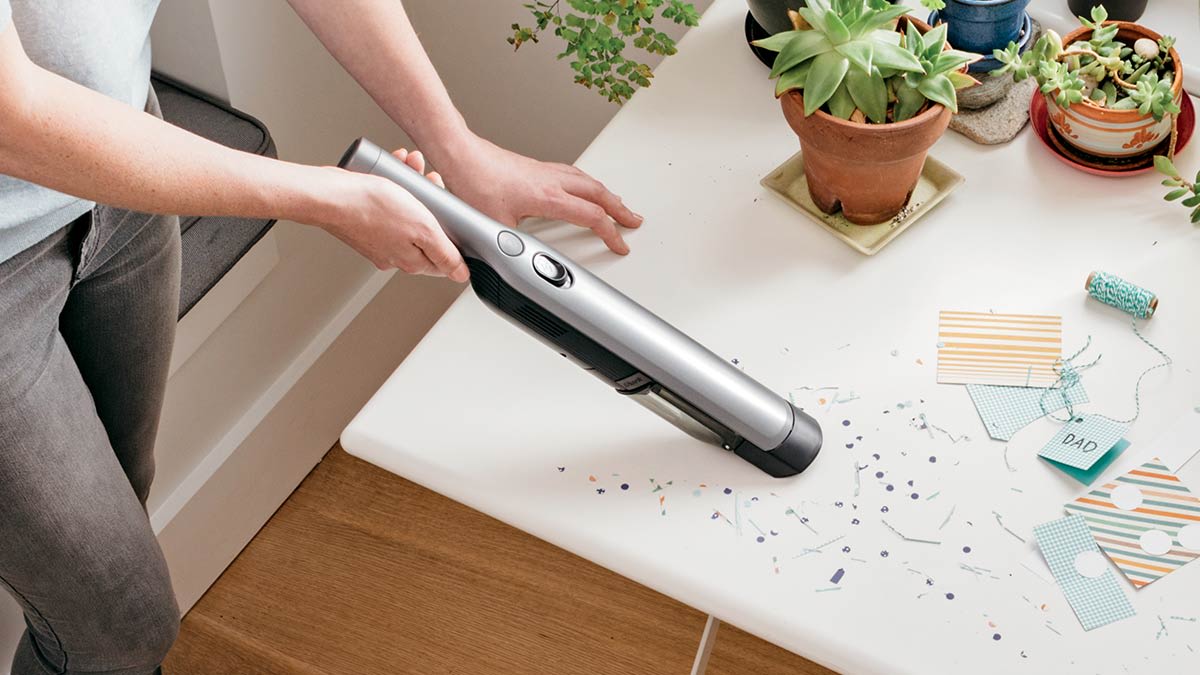
You’ll often encounter terms like Air Watts (AW), Pascals (Pa), or Kilopascals (kPa). Air Watt is a more comprehensive measurement, combining both airflow (how much air the vacuum moves) and suction (the force lifting the dirt). For handheld vacuums, suction power typically ranges from 40 AW to 80 AW, or around 2,000 Pa to 4,000 Pa. While a higher number generally indicates stronger pulling power, the overall efficiency of the vacuum—how well it converts motor power into effective suction—is paramount. As Dr. Evelyn Reed, a leading engineer in home appliance technology, often says, “It’s not just about raw power; it’s about intelligent design that translates that power into effective debris removal.”
Evolution of Handheld Vacuum Suction Technology
Handheld vacuums have come a long way from the original “Dustbuster” models. Early versions were often limited in power and battery life, suitable only for the lightest of tasks. Today, innovations like advanced cyclonic filtration systems, more efficient brushless motors, and optimized air path designs are propelling handheld vacuums into a new era of performance. These technological leaps mean modern handhelds can tackle tougher messes with surprisingly robust suction, making them indispensable tools for busy households.
Key Features that Boost Suction Performance
What gives a handheld vacuum that coveted strong suck? It’s a combination of engineering marvels:
- Motor Type and Power (Watts): The motor is the heart of the vacuum. Higher wattage can indicate a more powerful motor, but efficiency in converting electrical energy to mechanical energy is key. Brushless motors, for instance, are generally more efficient and powerful than their brushed counterparts, translating to better suction and longer lifespan.
- Battery Voltage and Its Impact: For cordless models, battery voltage plays a significant role. A higher voltage often provides more consistent and powerful suction throughout the cleaning cycle. However, this usually comes with trade-offs in battery life and weight.
- Filtration Systems: A multi-stage filtration system, especially one with HEPA filters, not only traps fine particles and allergens but also helps maintain consistent airflow, which is crucial for sustained suction. Clogged filters dramatically reduce performance.
- Nozzle Design and Attachments: The design of the nozzle and the quality of attachments can profoundly impact perceived suction. A well-designed crevice tool or a motorized pet brush focuses the airflow, making even moderately powerful vacuums feel incredibly effective on specific tasks.
- Sealing and Construction Quality: A tightly sealed system prevents air leaks, ensuring that all the motor’s power is directed towards suction. Durable construction also means the vacuum can withstand regular use without developing leaks that compromise performance.
Top Contenders: Handheld Vacuums Renowned for Superior Suction
When it comes to the best suction handheld vacuum, a few models consistently rise to the top, impressing users and reviewers alike with their ability to tackle tough messes.
- Shark UltraCyclone Pet Pro+: This model is frequently praised for its impressive suction, often compared to an upright vacuum. It excels at clearing solid debris on various surfaces, including carpets, and comes with useful attachments like a motorized pet hair brush.
- Dyson Car + Boat Handheld Vacuum: A premium choice, the Dyson Car + Boat is celebrated for its powerful suction and exceptionally long battery life, performing exceptionally well on upholstery and hard floors. Its motorized tool makes it a favorite for pet hair and car interiors.
- Worx 20V Power Share Cordless Cube Vac: This vacuum stands out for its exceptional cleaning performance and ease of use, delivering strong results on various debris types. It’s a solid contender, even with airflow measurements that might seem lower than some competitors.
- Black+Decker 16V MAX/20V/AdvancedClean+ Dustbuster: Often highlighted as a great budget-friendly option, these Black+Decker models offer commendable suction for quick cleanups on hard surfaces and for debris in cracks and crevices, thanks to built-in tools. While not always matching the raw power of premium brands, they offer excellent value for everyday messes.
A strong handheld vacuum can be a game-changer. For example, the Shark UltraCyclone Pet Pro+ excels at handling pet hair, a common challenge in many homes, effortlessly lifting fur from upholstery and carpets. Similarly, the Dyson Car + Boat’s focused suction and specialized attachments make it ideal for the intricate cleaning needs of vehicle interiors, reaching crumbs and dust in tight spots.
Mastering Your Handheld Vacuum: Usage and Maintenance for Optimal Suction
Even the best suction handheld vacuum needs a little love to maintain its peak performance. Here’s how to ensure your trusty sidekick always delivers:
- Proper Technique: Don’t just wave it around! For optimal pickup, use slow, deliberate passes, allowing the vacuum time to lift debris. For stubborn dirt, press down gently and use any brush attachments.
- Regular Filter Cleaning and Replacement: This is critical. Clogged filters restrict airflow, dramatically reducing suction power. Most handheld vacuum filters are washable, but always check the manufacturer’s instructions. Replace them periodically, even if they seem clean, as fine dust can accumulate over time.
- Emptying the Dustbin Effectively: Don’t wait until it’s overflowing. A full dustbin reduces efficiency and puts a strain on the motor. Empty it after each significant use to ensure maximum suction for the next task.
- Checking for Clogs: If suction suddenly drops, a clog in the nozzle, hose, or main body is often the culprit. Disassemble the vacuum components where possible and clear any blockages.
Beyond the Basics: Creative Uses and Benefits of High-Suction Handheld Vacuums
A powerful handheld vacuum isn’t just for accidental spills; it’s a versatile tool that can elevate your cleaning routine:
- Pet Hair Dilemmas: For pet owners, a strong suction handheld is a lifesaver. It quickly tackles pet hair on furniture, pet beds, and even clothing, preventing accumulation that a larger vacuum might miss.
- Car Interiors: From dusty dashboards to crumb-filled seat crevices, a high-suction handheld, especially with a crevice tool, can make your car’s interior look showroom-ready.
- Kitchen Spills and Crumbs: After cooking or baking, a quick pass with a handheld around countertops and underneath appliances makes cleanup effortless.
- Upholstery and Delicate Surfaces: With the right brush attachment, a powerful handheld can gently but effectively clean upholstery, lampshades, and even delicate electronics without being abrasive.
- Allergy Relief: By efficiently capturing dust mites, pollen, and pet dander from surfaces, a strong handheld vacuum, especially one with good filtration, contributes to better indoor air quality, offering significant relief for allergy sufferers.
How to Choose the Best Suction Handheld Vacuum for Your Needs
Selecting the ideal handheld vacuum with the best suction handheld vacuum for you involves a bit of self-reflection and understanding your priorities:
- Identify Your Primary Cleaning Tasks: Are you mainly tackling pet hair, quick kitchen crumbs, car interiors, or workshop debris? Different tasks might benefit from specific features or suction levels.
- Consider Suction Metrics: While not always perfectly comparable across brands, looking at Air Watts (AW) or Pascals (Pa/kPa) can give you a baseline. Higher numbers generally mean more power.
- Battery Life vs. Power: Cordless freedom is fantastic, but there’s often a trade-off. Powerful handhelds might have shorter battery life. Decide if you need sustained power for longer jobs or quick bursts for small tasks.
- Attachments: Crevice tools are a must for tight spaces. Motorized pet brushes are indispensable for pet owners. Dusting brushes are great for delicate surfaces. The right attachments enhance the vacuum’s versatility and effective suction.
- Dustbin Capacity and Ease of Emptying: A larger dustbin means less frequent emptying, which is a convenience factor. A simple, hygienic emptying mechanism is also a big plus.
- Weight and Ergonomics: A lightweight and comfortable design will make you more likely to use it frequently. Test how it feels in your hand if possible.
- Budget Considerations: Powerful handheld vacuums can range from budget-friendly to premium. Determine your budget and look for the best balance of suction and features within that range.
FAQ
Q: What is the difference between suction power and airflow?
A: Suction power is the force that pulls air (and debris) into the vacuum, while airflow is the volume of air that moves through the vacuum’s system. Both are crucial: strong suction lifts dirt, and good airflow efficiently transports it to the dustbin.
Q: How do I know if my handheld vacuum has good suction?
A: Beyond technical specs, practical tests include visibly seeing it pick up dirt in a single pass, a steady and robust operating sound, and a strong pull when you place your hand over the nozzle.
Q: Can a handheld vacuum replace a full-sized vacuum?
A: Generally, no. Even the best suction handheld vacuum is designed for quick spot cleaning and specific tasks, not deep cleaning large areas or heavily soiled carpets. It’s best used as a complementary tool to your main vacuum.
Q: How often should I clean my handheld vacuum’s filter?
A: It’s recommended to clean the filter after every few uses or when you notice a drop in suction. For optimal performance, always follow the manufacturer’s specific guidelines.
Q: Are more expensive handheld vacuums always better for suction?
A: Not necessarily, but there’s often a correlation. Higher-priced models typically incorporate more advanced motor technology, better filtration, and superior design, which contribute to stronger and more consistent suction. However, excellent budget options with decent suction also exist for lighter tasks.
Conclusion: Power in Your Palm
Choosing the best suction handheld vacuum means investing in a cleaner, more efficient home and a little less stress over everyday messes. It’s about understanding the subtle dance between motor power, airflow, and thoughtful design, and recognizing that true cleaning power comes in a compact, convenient package. With the right handheld vacuum, you’re not just cleaning; you’re empowering yourself with the ability to tackle life’s little messes, effortlessly and effectively, keeping your home spotless, one swift pass at a time.